
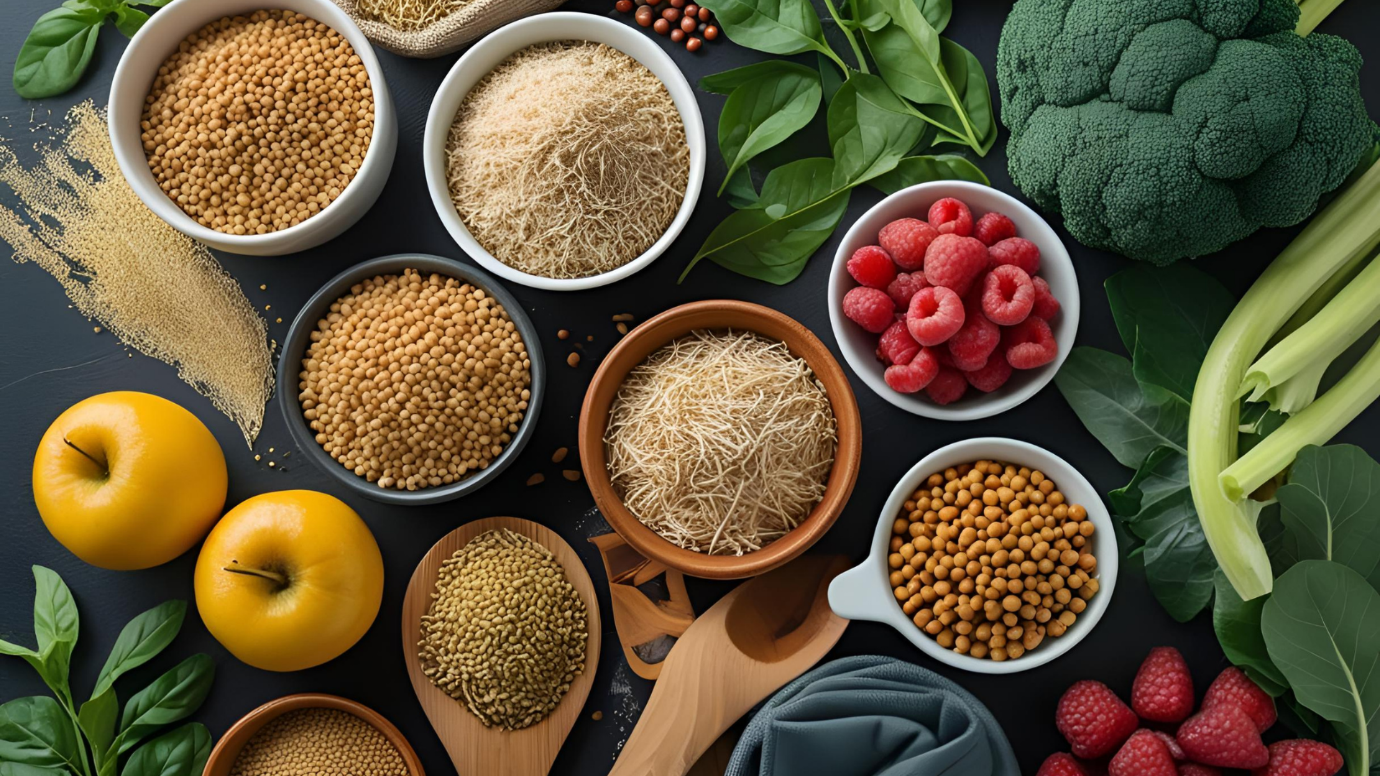
In the quest for optimal health, dietary fiber often takes center stage as a humble yet powerful nutrient. While many associate fiber with digestive health, its benefits extend far beyond keeping things moving smoothly.
Recent studies have highlighted fiber’s pivotal role in stabilizing blood pressure and blood sugar levels, making it an essential component in managing and preventing chronic diseases such as hypertension and diabetes.
Let’s delve into the fiber fundamentals and uncover how this remarkable nutrient can be a game-changer for your cardiovascular and metabolic health.
Understanding Dietary Fiber
Dietary fiber, found primarily in plant-based foods, is the indigestible part of carbohydrates.
Unlike other carbs, fiber isn’t broken down by the body; instead, it passes through the digestive system largely intact. There are two main types of fiber:
- Soluble Fiber: Dissolves in water to form a gel-like substance. It can help lower blood cholesterol and glucose levels.
- Insoluble Fiber: Doesn’t dissolve in water and aids in moving material through the digestive system, promoting regularity.
Both types are essential for maintaining overall health, but their specific benefits play a crucial role in regulating blood pressure and blood sugar levels.
Fiber and Blood Sugar Regulation
Managing blood sugar levels is critical, especially for individuals with or at risk of type 2 diabetes.
Dietary fiber, particularly soluble fiber, has been shown to have a significant impact on blood glucose regulation.
a. Mechanisms at Play
- Slowing Glucose Absorption: Soluble fiber forms a viscous gel in the digestive tract, which slows the absorption of sugars into the bloodstream. This gradual absorption prevents spikes in blood glucose levels after meals.
- Improving Insulin Sensitivity: Some studies suggest that a high-fiber diet can enhance insulin sensitivity, allowing the body’s cells to use blood glucose more effectively.
- Promoting Satiety: Fiber-rich foods tend to be more filling, which can help control appetite and prevent overeating. Maintaining a healthy weight is a crucial factor in managing blood sugar levels.
b. Research Insights
A meta-analysis published in the American Journal of Clinical Nutrition found that increasing fiber intake, especially from whole grains, legumes, and vegetables, was associated with better blood sugar control in individuals with diabetes.
Participants who consumed more fiber experienced lower HbA1c levels, a marker of long-term blood glucose control.
Fiber and Blood Pressure Management
High blood pressure, or hypertension, is a silent killer that increases the risk of heart disease, stroke, and kidney problems.
Fortunately, dietary fiber can play a protective role in maintaining healthy blood pressure levels.
a. Mechanisms at Play
- Reducing Cholesterol Levels: Soluble fiber helps lower LDL (bad) cholesterol levels by binding to cholesterol molecules in the digestive system, preventing their absorption. Lower cholesterol levels reduce the risk of atherosclerosis, which can lead to hypertension.
- Enhancing Nitric Oxide Production: Fiber fermentation in the gut produces short-chain fatty acids (SCFAs), which enhance the production of nitric oxide, a compound that helps relax blood vessels and lower blood pressure.
- Weight Management: As with blood sugar regulation, the satiety provided by fiber-rich foods aids in maintaining a healthy weight, thereby reducing the strain on the heart and blood vessels.
b. Research Insights
A study in the Journal of the American Heart Association indicated that individuals with higher fiber intake had significantly lower systolic and diastolic blood pressure levels compared to those with lower fiber consumption.
The protective effects were particularly notable in populations consuming around 25 grams of fiber daily.
Best Fiber Sources for Blood Pressure and Blood Sugar Control
Incorporating a variety of fiber-rich foods into your diet ensures you receive both soluble and insoluble fiber for comprehensive health benefits.
Here are some top sources:
- Legumes: Beans, lentils, and chickpeas are excellent sources of both soluble and insoluble fiber.
- Whole Grains: Oats, barley, quinoa, and whole wheat products provide substantial fiber content.
- Fruits: Apples, pears, berries, and citrus fruits are rich in soluble fiber like pectin.
- Vegetables: Broccoli, Brussels sprouts, and carrots offer a good mix of fiber types.
- Nuts and Seeds: Almonds, chia seeds, and flaxseeds not only provide fiber but also healthy fats.
- Psyllium Husk: A concentrated source of soluble fiber, often used as a supplement to boost fiber intake.
Tips to Increase Your Fiber Intake
Transitioning to a high-fiber diet doesn’t have to be daunting. Here are practical tips to seamlessly incorporate more fiber into your daily meals:
- Start Your Day with Fiber: Choose whole-grain cereals, oatmeal, or add fruit to your morning yogurt.
- Snack Smart: Opt for nuts, seeds, or fresh fruits instead of processed snacks.
- Bulk Up Your Meals: Add beans or lentils to soups, stews, and salads for an extra fiber boost.
- Switch to Whole Grains: Replace white bread, rice, and pasta with their whole-grain counterparts.
- Get Creative with Veggies: Incorporate a variety of vegetables into your dishes, whether raw, steamed, or roasted.
- Hydrate Adequately: As you increase fiber intake, ensure you’re drinking enough water to aid digestion and prevent constipation.
Potential Challenges and Solutions
While the benefits of fiber are undeniable, increasing intake too rapidly can lead to digestive discomfort, such as bloating and gas. To mitigate these effects:
- Gradual Increase: Slowly add fiber to your diet over a few weeks to allow your digestive system to adjust.
- Stay Hydrated: Drinking plenty of water helps fiber move smoothly through the digestive tract.
- Diverse Sources: Incorporate a variety of fiber-rich foods to balance soluble and insoluble fibers, easing the transition.
The Bigger Picture: Fiber as Part of a Balanced Diet!
It’s important to recognize that while fiber plays a significant role in managing blood pressure and blood sugar, it should be part of a holistic approach to health.
Combining a high-fiber diet with regular physical activity, maintaining a healthy weight, limiting sodium and sugar intake, and avoiding smoking contributes synergistically to cardiovascular and metabolic well-being.
Holistic Health Tips
- Balanced Nutrition: Ensure your diet includes a variety of nutrients, including proteins, healthy fats, vitamins, and minerals.
- Regular Exercise: Aim for at least 150 minutes of moderate aerobic activity or 75 minutes of vigorous activity each week.
- Stress Management: Incorporate practices like yoga, meditation, or deep breathing to manage stress, which can impact blood pressure.
- Routine Check-ups: Regular monitoring of blood pressure and blood sugar levels helps in early detection and management of any irregularities.
The Bottom Line
Incorporating dietary fiber into your daily regimen is a simple yet powerful strategy to stabilize blood pressure and blood sugar levels.
By choosing a variety of fiber-rich foods and adopting a balanced diet, you can harness the full spectrum of fiber’s health benefits.
Embrace the fiber fundamentals and take a proactive step towards a healthier, more vibrant life!