
High blood pressure– often called hypertension- has become a sneaky but powerful health issue touching millions globally.
High blood pressure is often called the silent killer, and rightly so, as it is known to creep up on people without giving much notice and may cause serious health problems such as strokes, heart disease, as well as kidney failure. Nonetheless, there are different forms of high blood pressure.
There are interesting conditions called white coat hypertension and chronic high blood pressure. Knowing the difference between these two can be really important for taking care of yourself effectively!
What is Hypertension?
Firstly, one must understand what hypertension means. When blood flows through arteries, it exerts force against their walls– this is blood pressure.
Two numbers measure it: Systolic pressure occurs as the heart contracts, and diastolic pressure when it relaxes.
Someone has high blood pressure (hypertension) if their readings usually exceed 130/80 mmHg.
This condition can be dangerous because raised levels over a long period put extra strain on the body– which may lead to serious health problems that could affect your quality of life.
Unveiling White Coat Hypertension
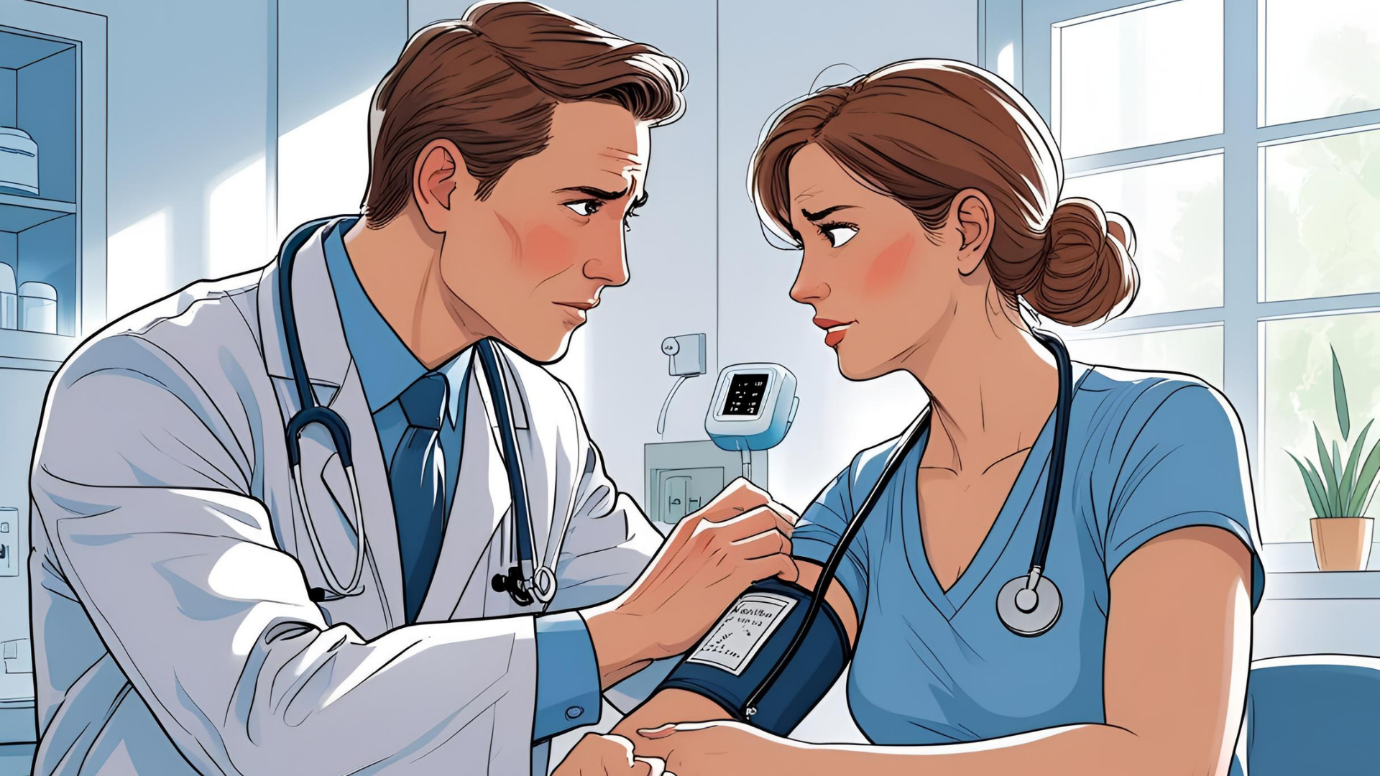
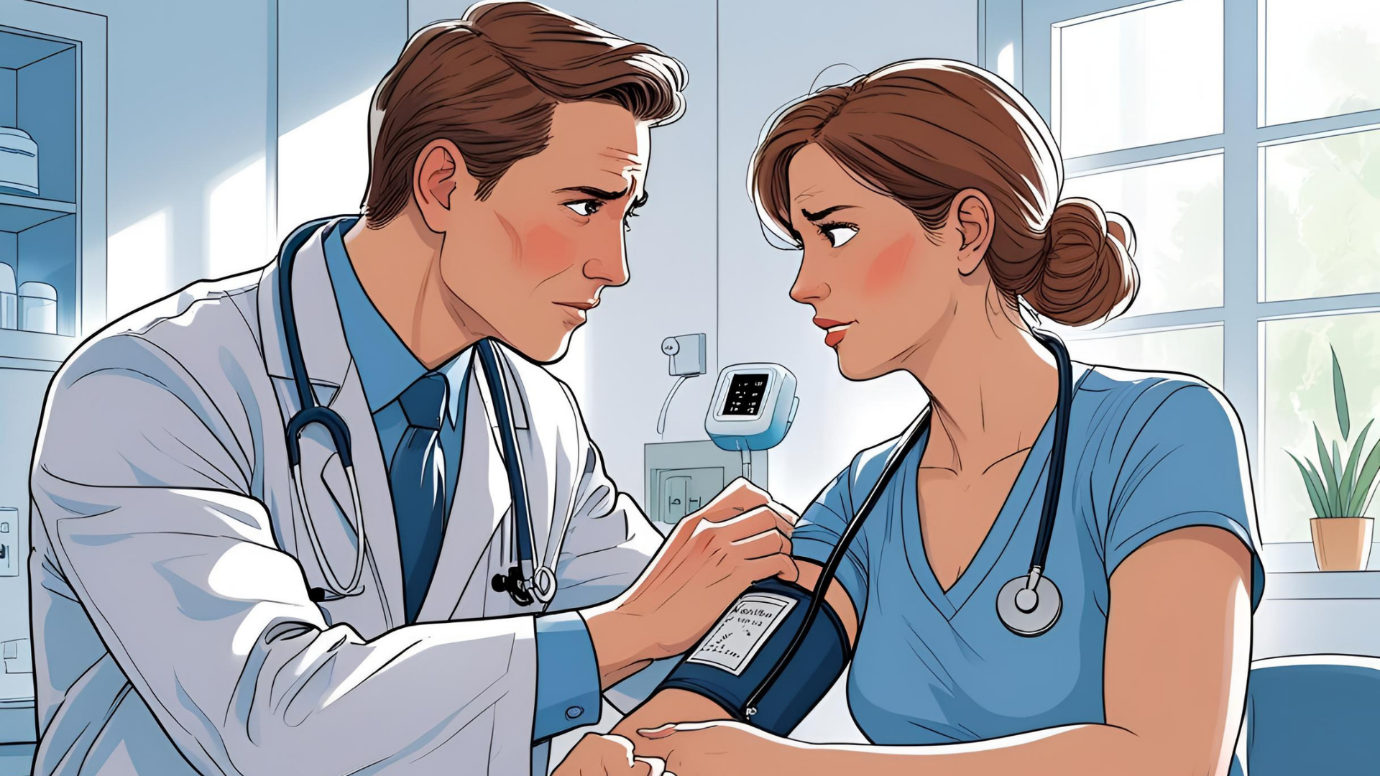
White coat hypertension is a curious thing, where someone’s blood pressure readings go up just because they’re in a clinic, but stay perfectly normal when they’re living their daily life.
The name itself comes from those classic white coats all healthcare professionals used to wear. This whole phenomenon actually happens to quite a few people, around 15-30% of folks diagnosed with hypertension.
Causes of White Coat Hypertension
The main reason for white coat hypertension is really anxiety. The medical setting itself plus the worry of getting checked out can cause blood pressure to jump up temporarily.
Things like being scared of medical stuff— maybe bad memories from before or just feeling nervous because someone’s watching you can add to it.
Implications and Risks
While people often think it’s harmless, white coat hypertension isn’t completely risk-free.
Some studies indicate individuals with this condition could face a greater chance of progressing into sustained hypertension down the road.
On top of that, it might sometimes cover up other health problems, meaning needed action gets delayed!
Chronic High Blood Pressure: The Persistent Threat!
Chronic high blood pressure, often called sustained hypertension, refers to blood pressure levels that stay elevated beyond the normal range all the time no matter where you are.
It’s quite different from white coat hypertension– this condition poses real health dangers both now and down the road if you don’t take care of it.
Causes of Chronic Hypertension
Chronic high blood pressure is influenced by several key factors:
1) Genetics
If high blood pressure runs in your family, your chances of developing it may be higher.
2) Lifestyle Choices
Things like a poor diet, excessive salt intake, not enough physical activity, and obesity can significantly increase risk.
3) Age and Gender
The likelihood of hypertension increases as one gets older— men are more prone to it until they turn 65, after which women face greater risks.
4) Chronic Conditions
Certain ongoing health issues like diabetes, kidney disease, and hormonal disorders might contribute to persistent high blood pressure.
Health Implications
Persistent high blood pressure may result in severe health complications, which can be understood as follows:
1) Cardiovascular Diseases
This includes an enlarged heart, heart failure, and coronary artery disease.
2) Neurological Issues
It raises the risk of stroke and cognitive impairment.
3) Renal Damage
Kidney failure is possible due to impaired blood flow.
4) Vision Problems
Damage to blood vessels in the eyes can lead to vision loss.
Differentiating Between the Two
Understanding the differences between white coat hypertension and chronic high blood pressure is crucial for accurate diagnosis and treatment.
| Aspect | White Coat Hypertension | Chronic High Blood Pressure |
|---|---|---|
| Setting of Elevated BP | Only in clinical settings | Consistently elevated across all settings |
| Primary Cause | Anxiety or stress during medical visits | Lifestyle factors, genetics, other health conditions |
| Risk of Complications | Potential for future hypertension | Immediate and long-term health risks |
| Diagnosis Approach | Requires ambulatory or home blood pressure monitoring | Diagnosed through consistent measurements over time |
| Treatment Necessity | May not require medication initially; lifestyle changes recommended | Often requires lifestyle modifications and possibly medications |
Diagnosing the Difference
Getting the right diagnosis is incredibly important for figuring out which condition you have.
Just going by blood pressure readings taken in the doctor’s office might not give a true picture. To get a clearer idea, healthcare providers sometimes use:
a) Ambulatory Blood Pressure Monitoring (ABPM)
Individuals wear a unique blood pressure cuff for an entire day, which provides a comprehensive view of blood pressure fluctuations throughout the day and night.
b) Home Blood Pressure Monitoring
Patients check their blood pressure at home and make sure they are relaxed and calm when they do so– because who isn’t stressed in a medical setting?
These DIY readings can help show whether high BP numbers at the doctor’s office reflect an ongoing problem, or just temporary nerves.
Management and Treatment Strategies
The way doctors handle white coat hypertension is quite different than for regular high blood pressure.
a) Managing White Coat Hypertension
The diagnosis of white coat hypertension presents an opportunity for patients to focus on reducing anxiety related to medical visits and improving their overall cardiovascular health.
Some strategies can be employed:
1) Stress-Reduction Techniques
The practice of meditation, yoga, or deep breathing exercises offers a useful way of reducing anxiety.
2) Regular Monitoring
Monitoring blood pressure outside of clinical settings is important in ensuring that it stays within normal ranges.
3) Lifestyle Modifications
Eating a balanced diet, exercising regularly, staying away from alcohol, and limiting the intake of excessive salt are some ways of modifying one’s lifestyle.
In a few instances, medication might be suggested in case there is a risk that the condition could lead to chronic hypertension.
b) Tackling Chronic High Blood Pressure
Handling ongoing high blood pressure usually means looking at things more widely:
1) Lifestyle Changes
Getting into a heart-healthy diet (maybe something like the DASH diet), getting more active, shedding pounds, and stopping smoking are really the first steps.
2) Medications
Different kinds of drugs to lower blood pressure could be prescribed— like ACE inhibitors, beta-blockers, diuretics, and calcium channel blockers— to get your numbers in check.
3) Regular Monitoring
Keeping an eye on your blood pressure consistently helps figure out if treatments are working right and where changes might be needed.
4) Addressing Underlying Conditions
Making sure related health problems like diabetes or high cholesterol are managed is super important for your whole cardiovascular health picture.
The Psychological Aspect
Both white coat hypertension and chronic high blood pressure may be affected by psychological variables; stress and mental health are important in regulating blood pressure.
Counseling, therapy, or stress-management techniques could help manage both conditions better by taking into account psychological well-being.
The Importance of Awareness
Knowing the difference between white coat hypertension and ongoing high blood pressure is important for a few key reasons:
1) Preventing Overmedication
If you mistake white coat hypertension for chronic hypertension, it could mean taking drugs you don’t need, which might have side effects and add up in cost.
2) Early Intervention
Spotting white coat hypertension gives you a chance to take steps early on to try and stop it becoming consistent high blood pressure.
3) Personalized Healthcare
Making sure treatment fits your specific diagnosis means better results for your health, and you’re likely to feel more satisfied with your care.
Technological Advances in Blood Pressure Monitoring
Gone are the days of just using old-school methods! Technology has totally changed how we keep an eye on blood pressure.
Wearable gadgets, cuffs linked to smartphones, and telemedicine apps let us track it nonstop and easily.
These cool tools help doctors get better diagnoses and give people real power over their heart health!
Moving Forward: A Holistic Approach!
Tackling hypertension, whether it’s just white coat related or something more chronic, really needs a whole-person approach looking at physical, mental, and emotional health.
Getting patients and healthcare providers working together based on good diagnoses and the right personal plan is really the heart of managing it well.
The Bottom Line
Figuring out if someone has white coat hypertension or chronic high blood pressure is really key for getting the right treatment and preventing serious health problems.
When you understand what makes them different and get an accurate diagnosis, people can start taking steps themselves to improve their cardiovascular health and just feel better overall!