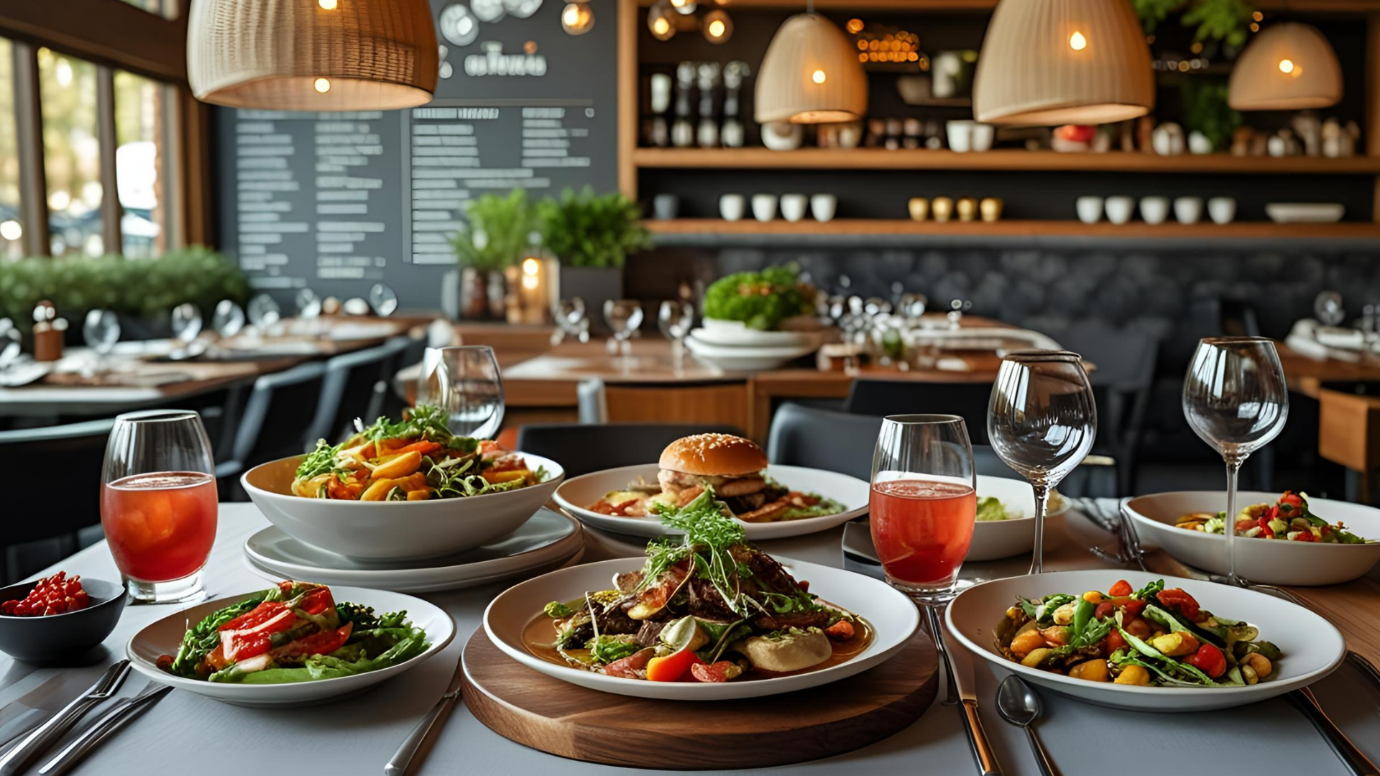
Dining out can be a delightful experience, offering a break from routine and a chance to savor new cuisines.
However, for those managing high blood pressure or diabetes, choosing the right meal requires careful consideration.
Navigating restaurant menus with these health conditions might seem daunting, but with a few strategies, you can enjoy your dining experience without compromising your well-being.
Understanding Your Dietary Needs
Before stepping into a restaurant, it’s essential to understand how your dietary choices impact your health:
- High Blood Pressure (Hypertension): Managing sodium intake is crucial. Excessive salt can elevate blood pressure, increasing the risk of heart disease and stroke. Focus on meals rich in potassium, magnesium, and calcium, which help regulate blood pressure.
- Diabetes: Blood sugar control is paramount. Opt for dishes with low glycemic index ingredients, balanced carbohydrates, lean proteins, and healthy fats. Monitoring portion sizes and carbohydrate intake helps maintain stable blood glucose levels.
Research the Restaurant Ahead of Time
Preparation is key. Many restaurants provide their menus online, allowing you to make informed choices beforehand.
Look for nutritional information or healthier menu options to plan your meal in advance.
Reading reviews can also highlight restaurants that cater to specific dietary needs, making your dining experience smoother.
Communicate with Your Server
Don’t hesitate to discuss your dietary requirements with your server. Most restaurants are accommodating and can modify dishes to suit your needs.
Ask about cooking methods, sauces, and ingredients that may impact your health.
Simple adjustments, such as requesting dressings on the side, choosing grilled over fried options, or asking for substitutions, can make a significant difference.
Smart Menu Choices
Making the right choices from the menu is crucial. Here are some tips for both high blood pressure and diabetes:
a. For High Blood Pressure
- Choose Fresh Over Processed: Opt for dishes featuring fresh vegetables, lean meats, and whole grains. Avoid processed foods high in sodium.
- Limit Sauces and Dressings: These can be hidden sources of salt. Request them on the side to control the amount you use.
- Select Grilled, Baked, or Steamed Options: These cooking methods typically use less sodium and fat compared to fried foods.
b. For Diabetes
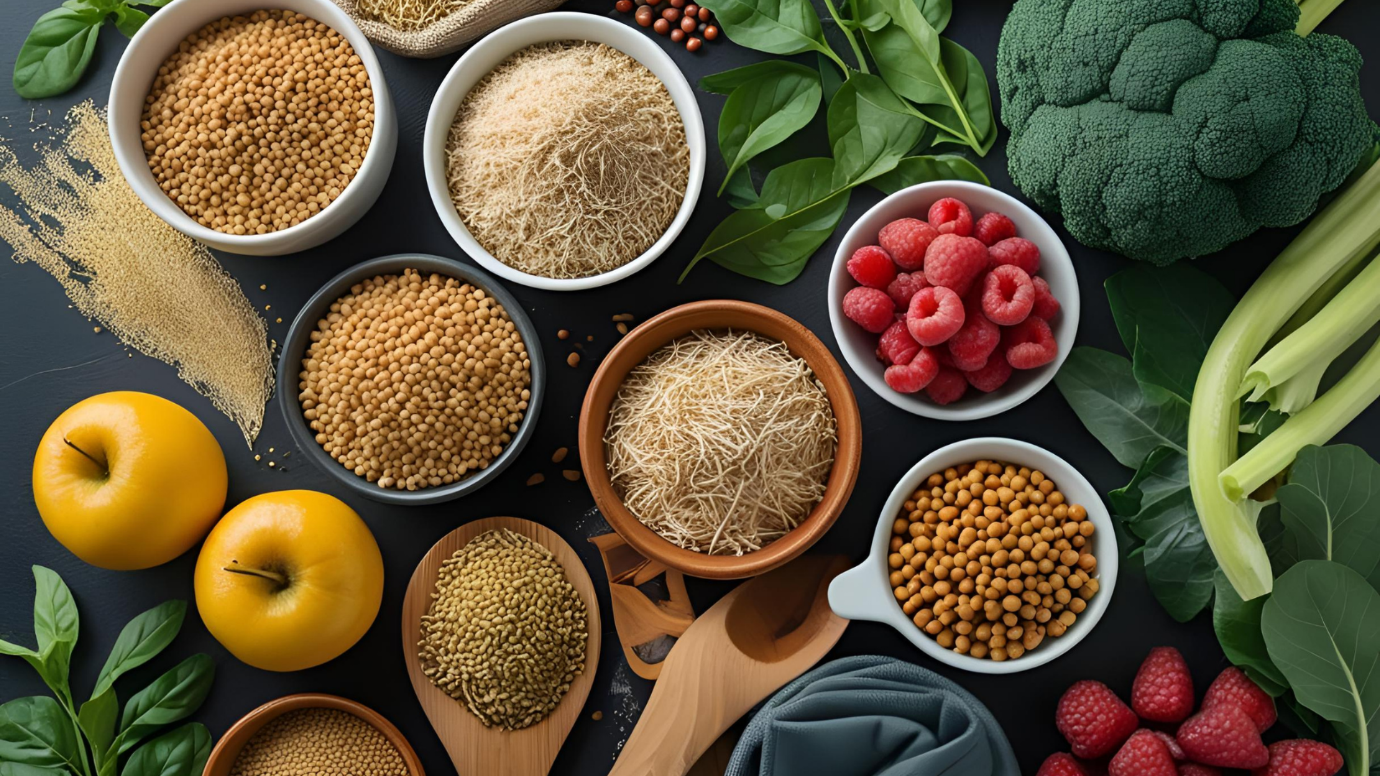
- Focus on Fiber-Rich Foods: Vegetables, whole grains, and legumes help regulate blood sugar levels.
- Balance Macronutrients: Ensure your meal includes a good mix of carbohydrates, proteins, and fats to slow sugar absorption.
- Watch Portion Sizes: Controlling portions helps manage calorie intake and blood glucose levels.
Be Mindful of Beverages
Beverages can significantly impact your health, especially when managing blood pressure or diabetes:
- Low-Sodium Choices: Opt for water, unsweetened tea, or sparkling water with a splash of lemon instead of sugary drinks or those high in sodium.
- Limit Alcohol: Alcohol can interfere with blood pressure medications and blood sugar control. If you choose to drink, do so in moderation and consult with your healthcare provider.
Dessert Decisions
Desserts are often high in sugar and unhealthy fats. If you crave something sweet:
- Choose Fresh Fruit: It provides natural sugars along with fiber and vitamins.
- Opt for Smaller Portions: If you decide on a dessert, consider sharing it or selecting a smaller portion to satisfy your craving without overindulging.
- Ask for Modifications: Some restaurants can prepare fruit-based desserts or offer options with less sugar.
Listen to Your Body
Pay attention to how different foods make you feel.
Dining out introduces new ingredients and preparation methods, so it’s essential to notice any changes in your blood pressure or blood sugar levels.
Keeping a food diary can help identify patterns and adjust your choices accordingly.
Plan Your Meal Timing
Strategic timing can aid in managing your conditions:
- Eat Earlier in the Evening: This allows your body more time to process the meal, stabilizing blood sugar levels overnight.
- Avoid Late-Night Dining: Late meals can disrupt blood sugar control and interfere with blood pressure management.
Stay Positive and Flexible
Navigating restaurant menus with high blood pressure or diabetes doesn’t mean sacrificing enjoyment.
Embrace the opportunity to try new dishes that align with your health needs. Be flexible and patient with yourself as you experiment with different foods and preparations.
Utilize Technology and Tools
Leverage apps and tools designed to assist with dietary management:
- Nutritional Apps: These can help you track calorie, sodium, and carbohydrate intake, ensuring you stay within your dietary goals.
- Restaurant Guides: Certain apps provide restaurant recommendations based on dietary preferences, making it easier to find suitable dining options.
- Recipe Adaptation Tools: These tools suggest healthier modifications to standard recipes, which can inspire your meal choices when dining out.
Engage with Support Networks
Connecting with others who share similar health goals can provide valuable insights and encouragement:
- Join Support Groups: Whether online or in-person, support groups offer a platform to exchange tips and experiences about dining out with high blood pressure or diabetes.
- Seek Professional Guidance: Dietitians and nutritionists can offer personalized advice and meal planning strategies tailored to your specific needs.
Embrace Mindful Eating
Practicing mindful eating enhances your dining experience and supports your health goals:
- Savor Each Bite: Take the time to enjoy your food, which can help you feel satisfied with smaller portions.
- Chew Thoroughly: Proper digestion begins in the mouth, and thorough chewing aids in better nutrient absorption and blood sugar management.
- Avoid Distractions: Focus on your meal rather than distractions like TV or smartphones, helping you recognize your body’s hunger and fullness cues.
The Bottom Line
Dining out with high blood pressure or diabetes is entirely achievable with thoughtful planning and informed choices.
By understanding your dietary needs, communicating with restaurant staff, and making mindful selections, you can enjoy delicious meals without compromising your health.
Embrace the experience with confidence, knowing that you have the tools to navigate any menu successfully.