Managing diabetes means keeping those blood sugar levels just right using medication, exercise, and crucially, diet.
But how do you create meals that stabilize glucose but taste fantastic? It’s almost an art form!
This little blog is for you– we’ve got helpful advice alongside delicious recipes so you can keep an eye on your blood sugar and thoroughly enjoy each delicious bite too!
Understanding Blood Sugar and Diabetes
Before you start planning your meals, you need to understand how blood sugar works with diabetes.
Diabetes affects the way the body deals with glucose– you know, the main fuel we get from food.
With type 1 diabetes, the body just can’t make insulin itself. And type 2 diabetes? That’s more about the body being resistant to insulin.
Either way, it becomes really important to watch and adjust those carb levels closely– this helps prevent getting those blood sugar spikes and dips.
Key Principles for Balanced Blood Sugar
1) Carbohydrate Counting
It’s the carbs that really make a difference in your blood sugars, you know? Getting skilled at counting them is key to watching your intake and guessing how your levels might change.
2) Glycemic Index Awareness
Ever heard of the glycemic index (GI)? It tells you how fast food pushes up your blood sugar. Choose low-GI things like whole grains, beans, and non-starchy vegetables; they help keep glucose steadier.
3) Fiber-Rich Foods
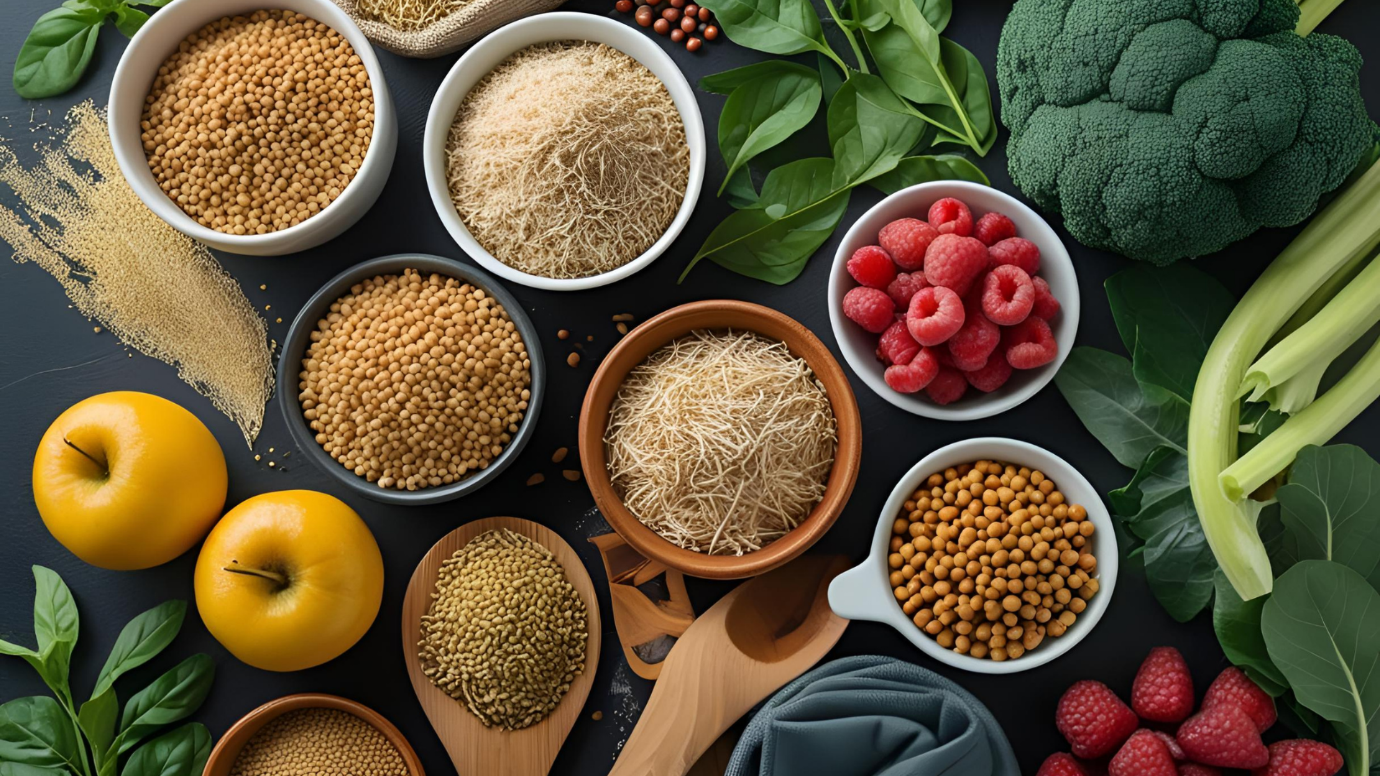
Foods high in fiber are special because they slow down sugar going into your blood, stopping those sudden spikes. Make sure you get vegetables, fruits, whole grains, and legumes in your meals.
4) Healthy Fats and Proteins
Putting healthy fats— think avocado and nuts and lean proteins like fish or poultry in meals can help keep blood sugar steady, thus reducing the glycemic load overall.
5) Regular Meal Timing
Eating at the same times each day really helps keep blood sugar regulated; thus, preventing those wild swings up and down.
Practical Tips for Diabetic Meal Planning
1) Balanced Plate Method
Divide your plate into thirds– half non-starchy vegetables, one-third lean protein, and one-third whole grains or starchy vegetables– plus a small portion of healthy fats.
2) Portion Control
Use measuring cups or a food scale to manage portions, particularly for high-carb foods.
3) Smart Snacking
Choose snacks– mixing protein with fiber, such as apple slices with almond butter or Greek yogurt plus berries— these help keep energy levels up.
4) Hydration
Make sure to drink plenty of water and reduce consumption of sugary drinks– staying properly hydrated is good for overall health and can also help you manage your blood sugar levels effectively.
5) Meal Prep
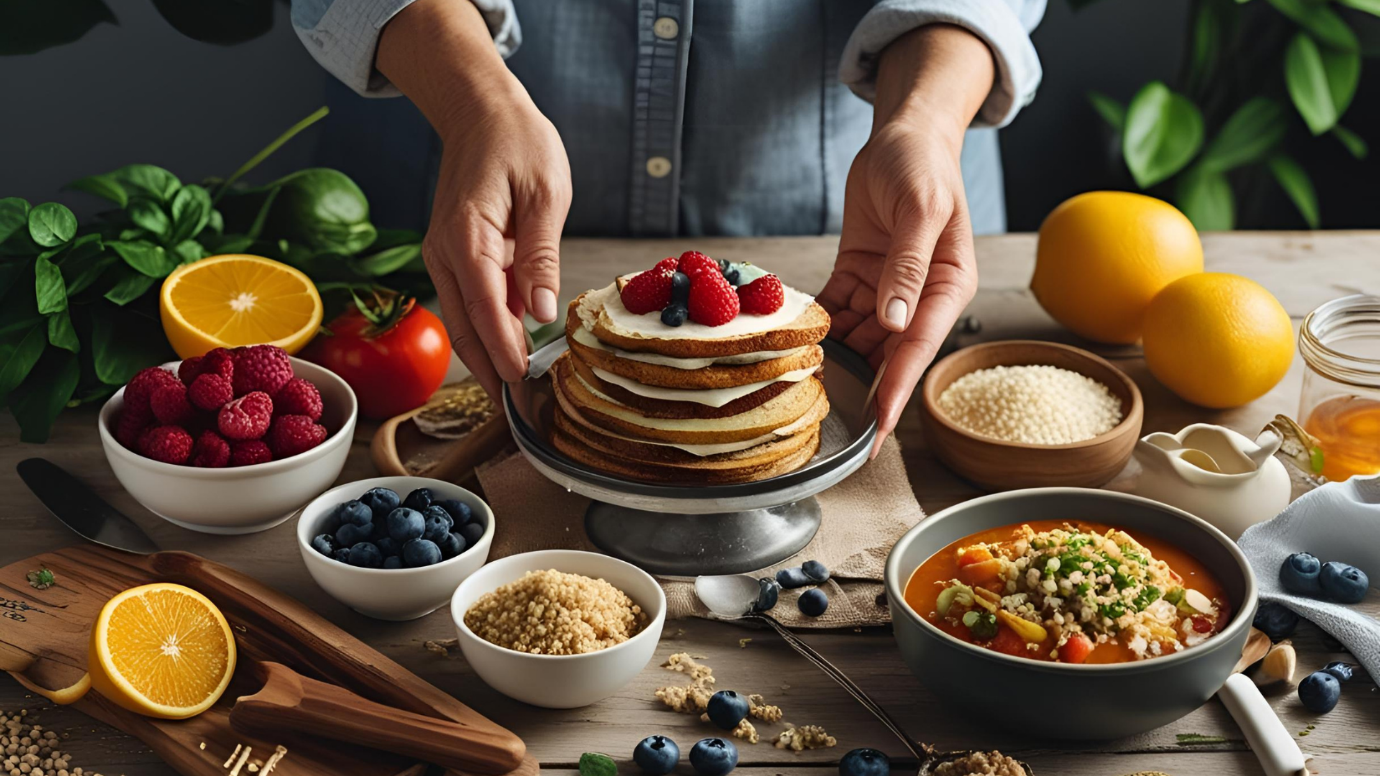
Making meals ahead of time could save your diet: Having them prepared means you’re less likely to go off-track and eat unhealthily at the end of the day– especially if it’s been a long one at work.
Delicious Diabetic-Friendly Recipes
1. Quinoa and Black Bean Salad
Ingredients:
- 1 cup quinoa that’s cooked nicely
- 1 can of black beans– make sure they’re rinsed and drained well
- 1 red bell pepper– you should dice it up
- 1 small red onion– finely chopped is best
- 1 avocado, cut into nice little cubes
- ¼ cup fresh cilantro, chopped so its flavors mix in
- Juice from 2 limes– just squeeze it right in
- 2 tablespoons olive oil– a healthy choice always
- Salt and pepper– add as much or as little as you like for taste
Instructions:
1) Take a large bowl, combine cooked quinoa, black beans, bell pepper, and red onion.
2) In a small bowl, whisk together lime juice, olive oil, salt, and pepper.
3) Pour dressing over the salad– toss to combine everything well.
4) Gently fold in avocado and cilantro.
You can serve it chilled or maybe room temperature– whatever you prefer.
This salad provides fiber and protein, helping keep blood sugar levels stable, plus it’s filling: A satisfying meal for anyone looking to eat better stay healthy!
2. Grilled Salmon with Asparagus
Ingredients:
- 4 salmon fillets
- 1 bunch asparagus, trimmed
- 2 tablespoons olive oil
- 2 cloves of garlic, minced
- Juice of 1 lemon
- Salt and pepper to taste
- Fresh dill for garnish
Instructions:
1) Heat the grill to medium-high.
2) Combine olive oil, garlic, lemon juice, salt, and pepper in a bowl.
3) Coat salmon and asparagus with the mixture from step 2.
4) Salmon: Grill covered for 6 minutes. Turn fish over and grill covered for another 4 minutes (or until it flakes easily with a fork).
5) Asparagus: Grill uncovered for about 5 minutes, turning often.
6) Enjoy! Serve with fresh dill— who needs anything else?
Not only does this dish taste great, but it’s also good for your heart because salmon provides omega-3 fatty acids, while asparagus is a fantastic source of both fiber & essential vitamins.
Furthermore, nutritionists agree these foods form a blood sugar-friendly meal option too!
3. Spinach and Mushroom Frittata
Ingredients:
- 6 large eggs
- 1 cup fresh spinach, chopped
- 1 cup mushrooms, sliced
- ½ onion diced
- ¼ cup feta cheese, crumbled
- 2 tablespoons olive oil
- Salt and pepper to taste
Instructions:
1) Preheat the oven to 375°F (190°C).
2) In an oven-safe skillet, heat the olive oil over medium heat; sauté onions until translucent.
3) Add mushrooms; cook until softened. Stir in spinach; cook until wilted.
4) In a bowl, whisk eggs with salt and pepper. Pour over the vegetable mixture.
5) Sprinkle feta cheese on top.
6) Transfer skillet to oven; bake for 15-20 minutes, until eggs are set.
7) Let cool slightly before slicing and serving.
This thoughtful dish isn’t just tasty— it brings people together!
4. Blueberry Chia Seed Pudding
Ingredients:
- 1 cup of unsweetened almond milk that is unsweetened
- 3 tablespoons of chia seeds
- ½ teaspoon of vanilla extract
- 1 tablespoon of either maple syrup or a sugar substitute
- ½ cup fresh blueberries
Instructions:
1) First, whisk together almond milk, chia seeds, vanilla extract, and maple syrup in a bowl.
2) Cover it and leave it to cool in the fridge for some hours or overnight.
3) Before serving, stir the pudding well and top with fresh blueberries.
This pudding is just the right treat, sweet yet with added fiber and antioxidants– a perfect dessert option that is diabetes-friendly!
Navigating Dining Out with Diabetes
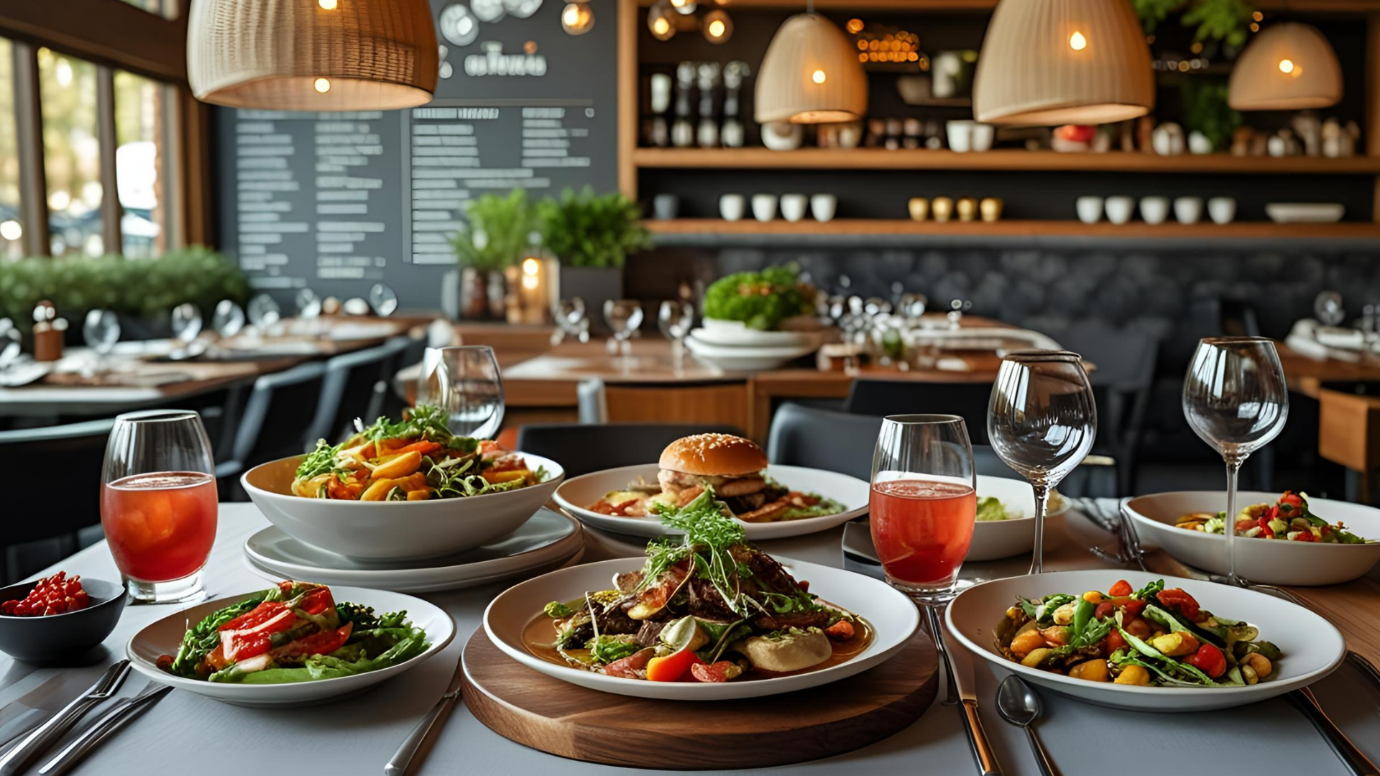
Heading out to eat doesn’t mean your blood sugar management has to take a hit.
It’s possible to enjoy dining away from home, just like anyone else. Here are some ideas for meals out:
1) Research Ahead
Check out restaurant menus beforehand and pick dishes that work for you and your diet plan.
2) Ask for Modifications
Speak up, ask for swaps like steamed vegetables instead of fries– maybe dressing on the side too.
3) Control Portions
Restaurant portions can be huge! How about sharing a main dish or packing half to-go?
4) Mindful Choices
Go for grilled foods, not fried ones, and select whole grains when they are an option.
The Role of Physical Activity
You know diet is key, but adding regular physical activity really boosts blood sugar control.
Think walking, swimming, or cycling– these activities help increase insulin sensitivity and just promote overall health.
The goal is at least 150 minutes of moderate exercise each week spread across several days.
Monitoring and Adjusting
Monitoring your blood sugar levels constantly is crucial; it allows you to observe how food impacts your body.
To enhance your eating habits, consider recording meals alongside glucose readings. This information provides insight into necessary adjustments.
Consulting with a dietitian may also prove beneficial. Taking both schedule and personal requirements into consideration, professionals can offer individualized suggestions.
Embracing a Sustainable Lifestyle
Don’t just look for short-term answers when you’re learning how to cook for yourself as a diabetic. What you need is a long-lasting style of eating that’s enjoyable too.
There are so many good things in food suitable for diabetics- lots of different flavors, and loads of nutrients. Why not find out for yourself?
Be adventurous. Give new recipes a go, experiment with different ways of cooking… and have fun while you’re getting healthier!
The Bottom Line
It is absolutely possible to balance your blood sugar levels! All you need to do is plan your meals well, learn some nutritional basics– oh, and cook up a storm with our delicious healthy recipes.
So, if you want to get to grips with diabetic meal planning and embark on a life that’s both active and healthy, read on for more information and inspiration.