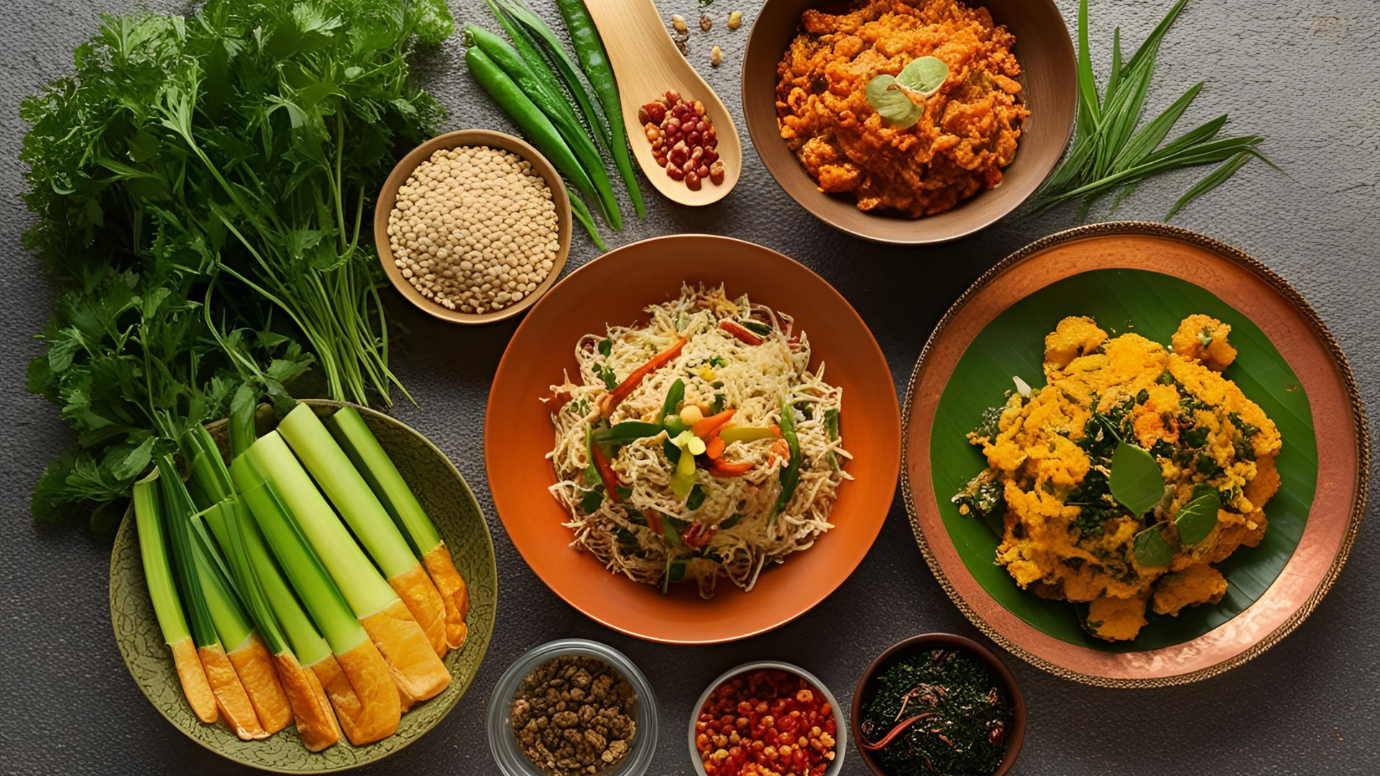
In today’s fast-changing wellness landscape, lots of people are looking to the past for diet advice that actually works.
By mixing old eating habits with new health ideas, we’re able to make healthy lifestyle choices based on tradition– and also take advantage of cutting-edge scientific research!
Embracing the Roots: The Power of Traditional Diets!
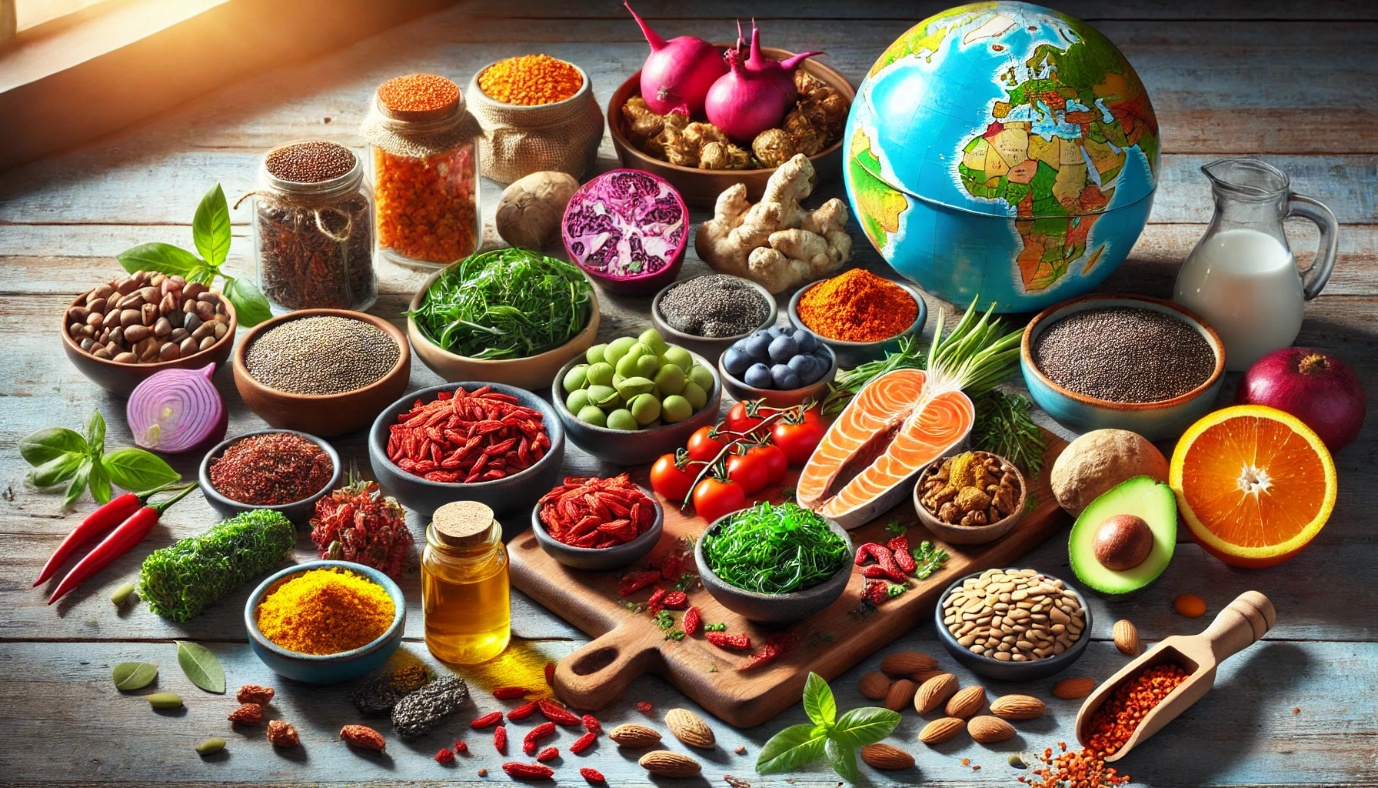
Traditional diets form the base of numerous cultures. They have developed over time in accordance with factors such as climate and are often closely linked to eating natural, unprocessed items. It is this combination of factors that makes them so healthy– and their influence reaches all parts of the globe.
For instance: The Mediterranean diet— known for promoting heart health— features foods like fruits, veggies, whole grains, olive oil and fish. Likewise, the Japanese diet, which includes fare such as rice, fish, vegetables and fermented items, is associated with a long lifespan and low levels of obesity.
More than just food plans, these diets represent an entire approach to healthy living– one that prioritizes conscious consumption, local foods and overall nutritional balance. This perspective is especially important now as we live at a time when lots of people rely on ready-made meals or snacks whilst also doing very little exercise.
Modern Wellness Trends: What’s Making Waves!
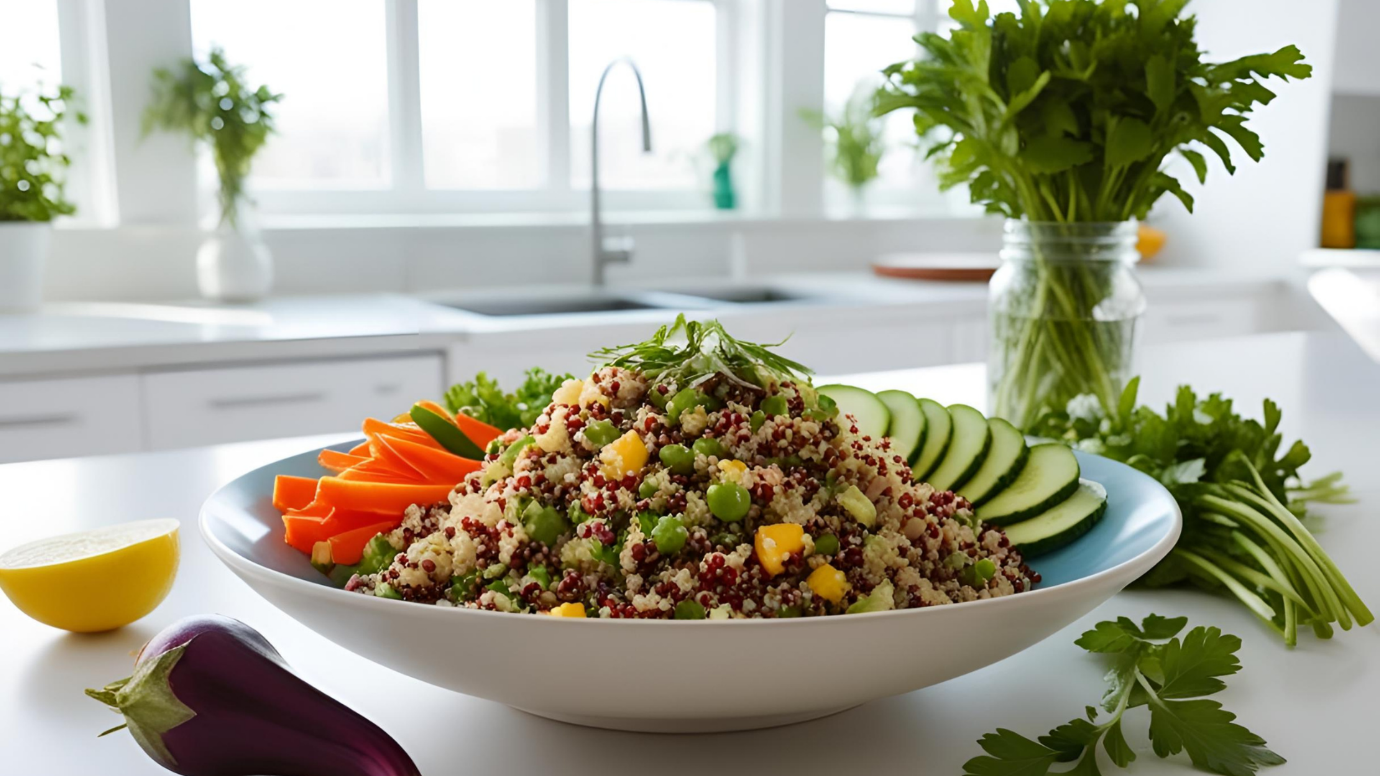
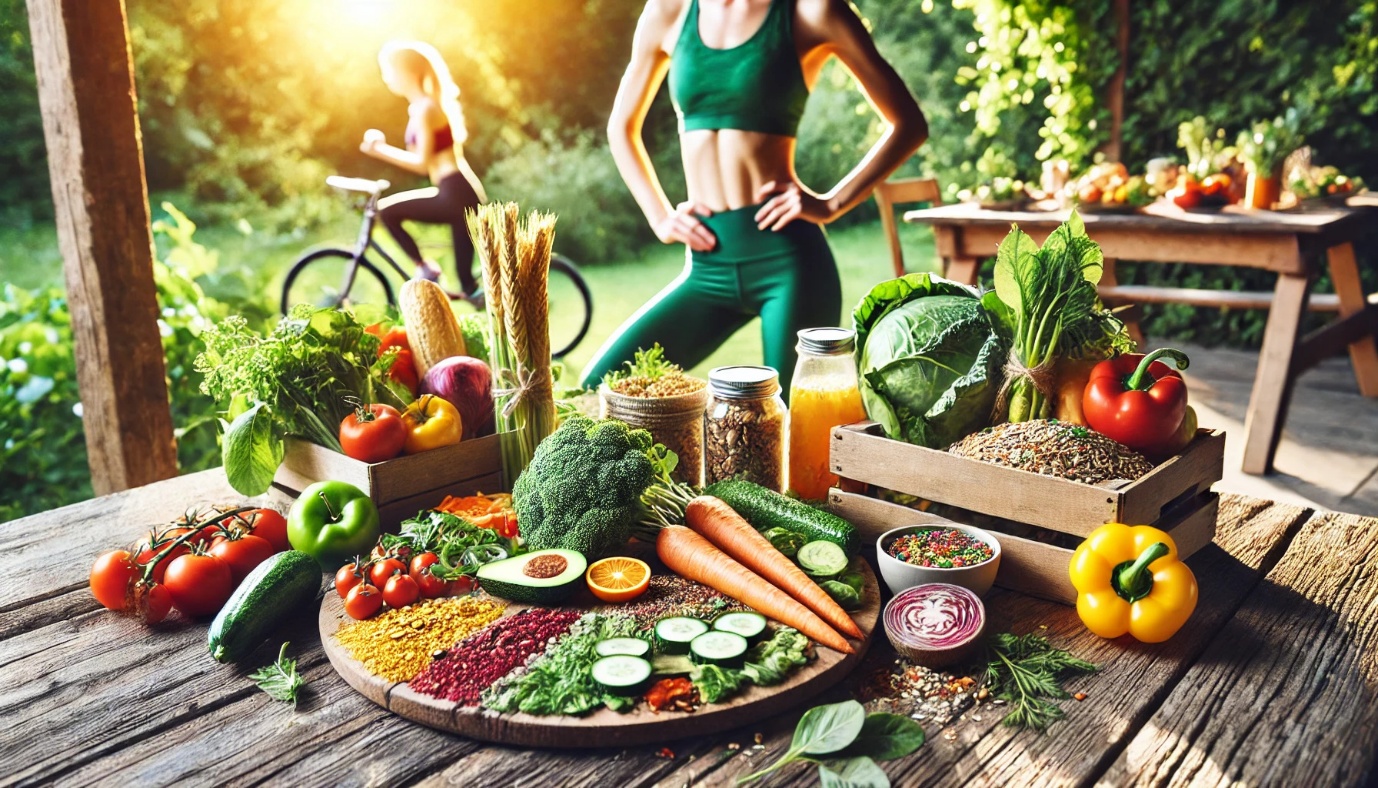
Contemporary wellness trends embody holistic health– melding physical fitness with mental well-being and nutritional equilibrium.
Key trends comprise plant-based eating, intermittent fasting, superfoods and mindful eating:
- Plant-Based Eating: This means more veggies, legumes, nuts and seeds– all of which offer both health benefits and environmental perks.
- Intermittent Fasting: A diet that tells you when to say no to food (periodically); it’s linked with weight loss plus better metabolism.
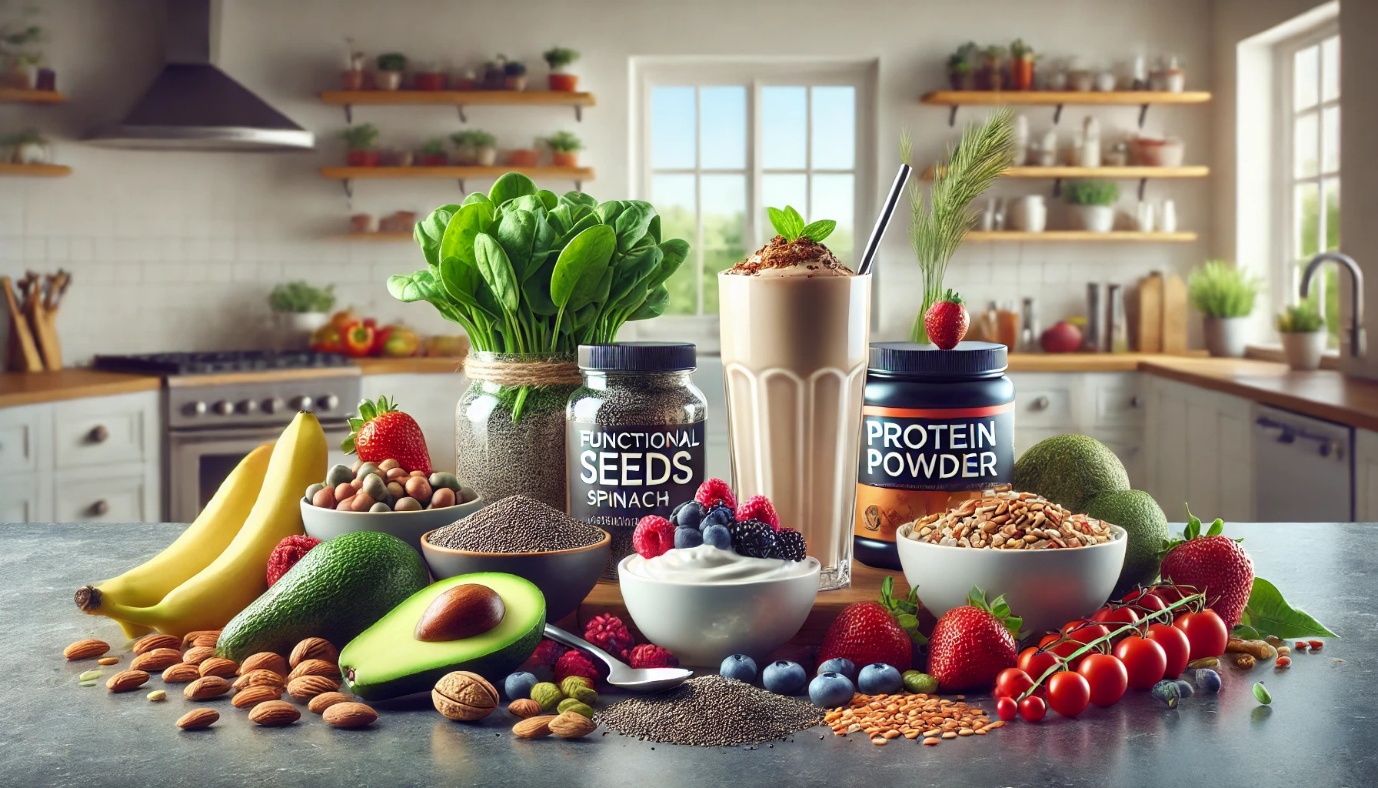
- Superfoods: Nutrient-packed edibles such as quinoa, kale and turmeric; some studies suggest they may help prevent certain diseases.
- Mindful Eating: If you want to feel satisfied by meals, pay attention while you eat them! This approach can also help those who tend to overeat for reasons other than hunger.
In summary, these trends show that people are moving towards staying healthy and taking care of the planet.
This is similar to what our ancestors ate centuries ago, which also happened to be better for the environment in many cases.
Where Tradition Meets Trend: Blending for Better Health!
Combine traditional diets with modern wellness for balance– and reap the benefits! Here’s how:
1. Mediterranean Meets Plant-Based
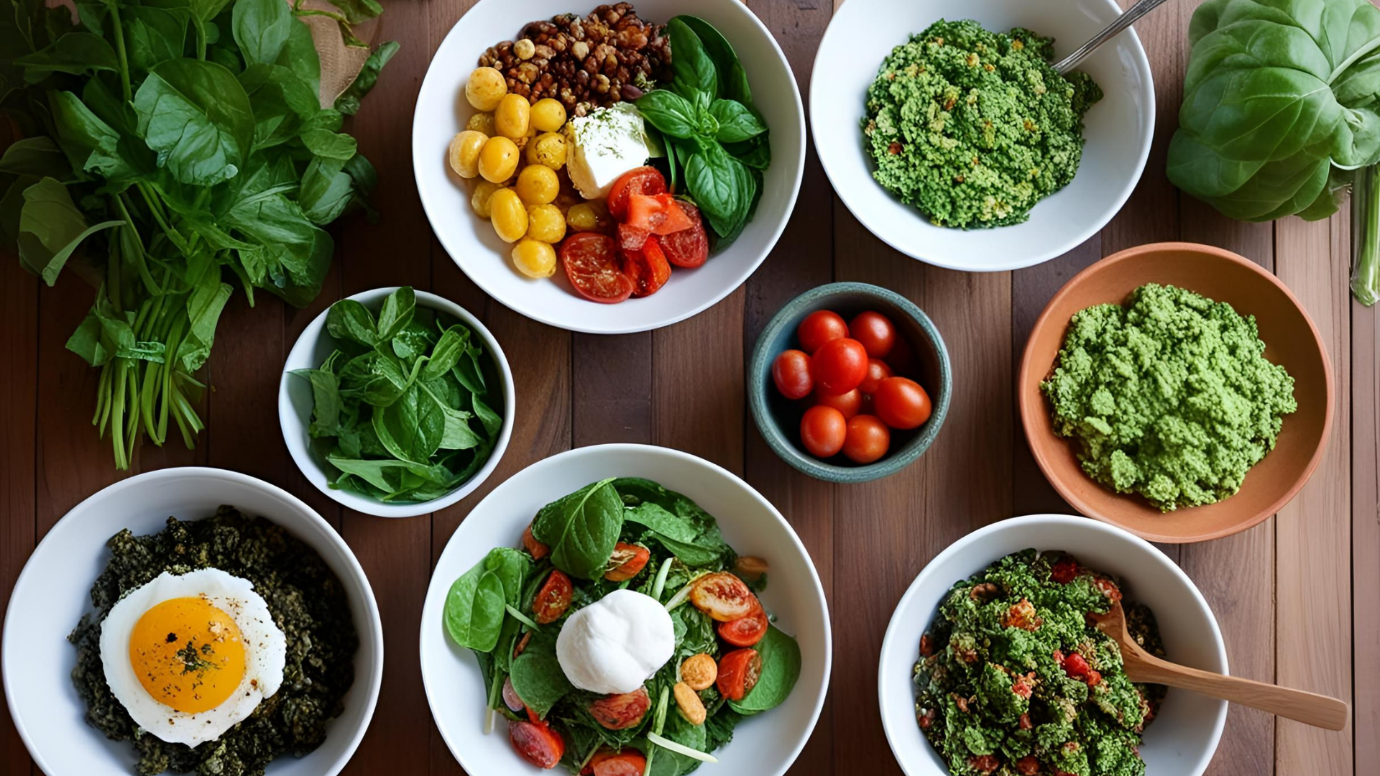
Make your diet more plant-based with a Mediterranean twist! Add nuts, legumes, and other plant foods; use olive oil for cooking.
You can even enjoy whole grains– they’re part of this healthy eating style too. With so many delicious options to choose from, it’s easy (and fun) to eat like you’re in Greece or Italy every day of the week.
Capture the essence of modern plant-based trends with a sustainability angle, paired beautifully with Mediterranean love for fresh, seasonal produce.
2. Traditional Japanese Practices and Intermittent Fasting
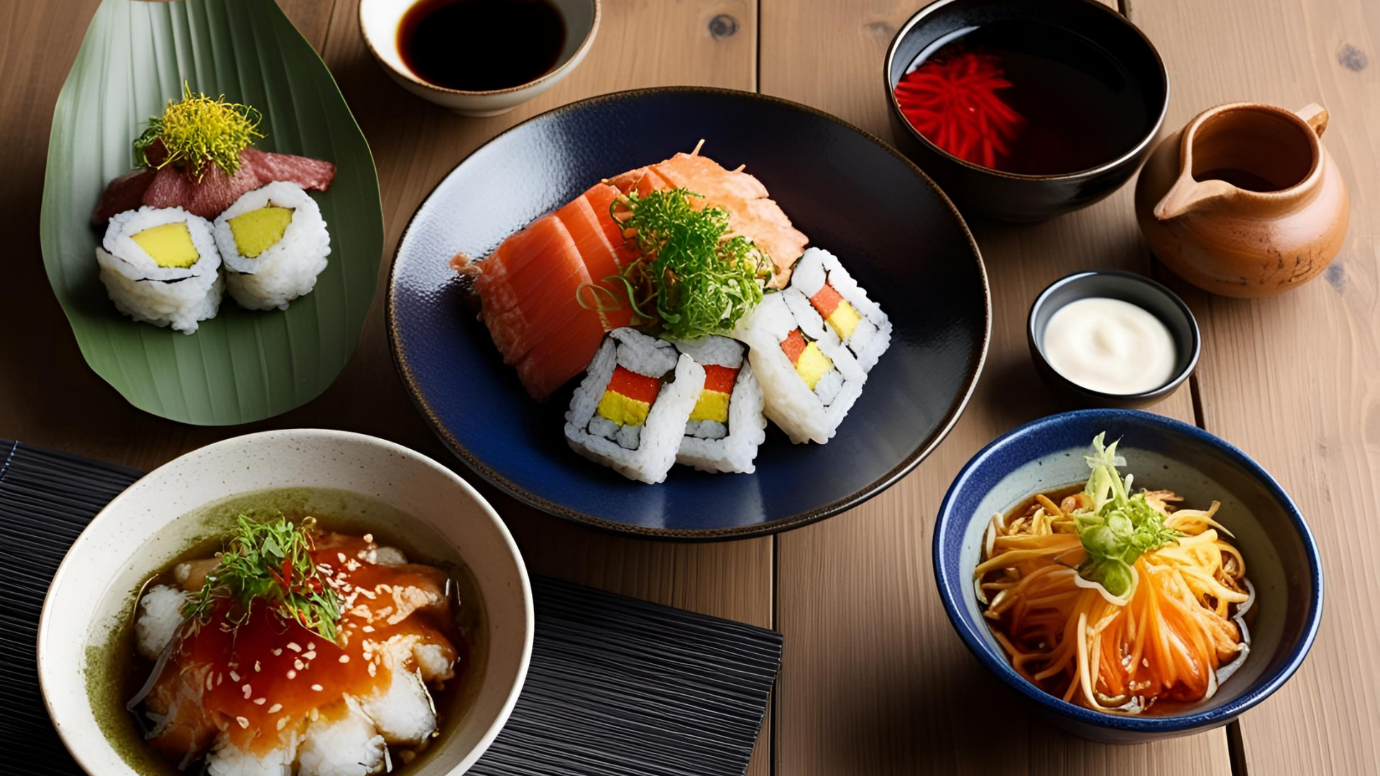
The Japanese way of eating works great with intermittent fasting.
For instance, Hara Hachi Bu– or eating until you’re 80% full– fits naturally within periods of food restriction.
By encouraging portion control and attentiveness to feeling full, techniques like these could boost the effects of this dieting pattern.
3. Indian Ayurveda and Holistic Wellness
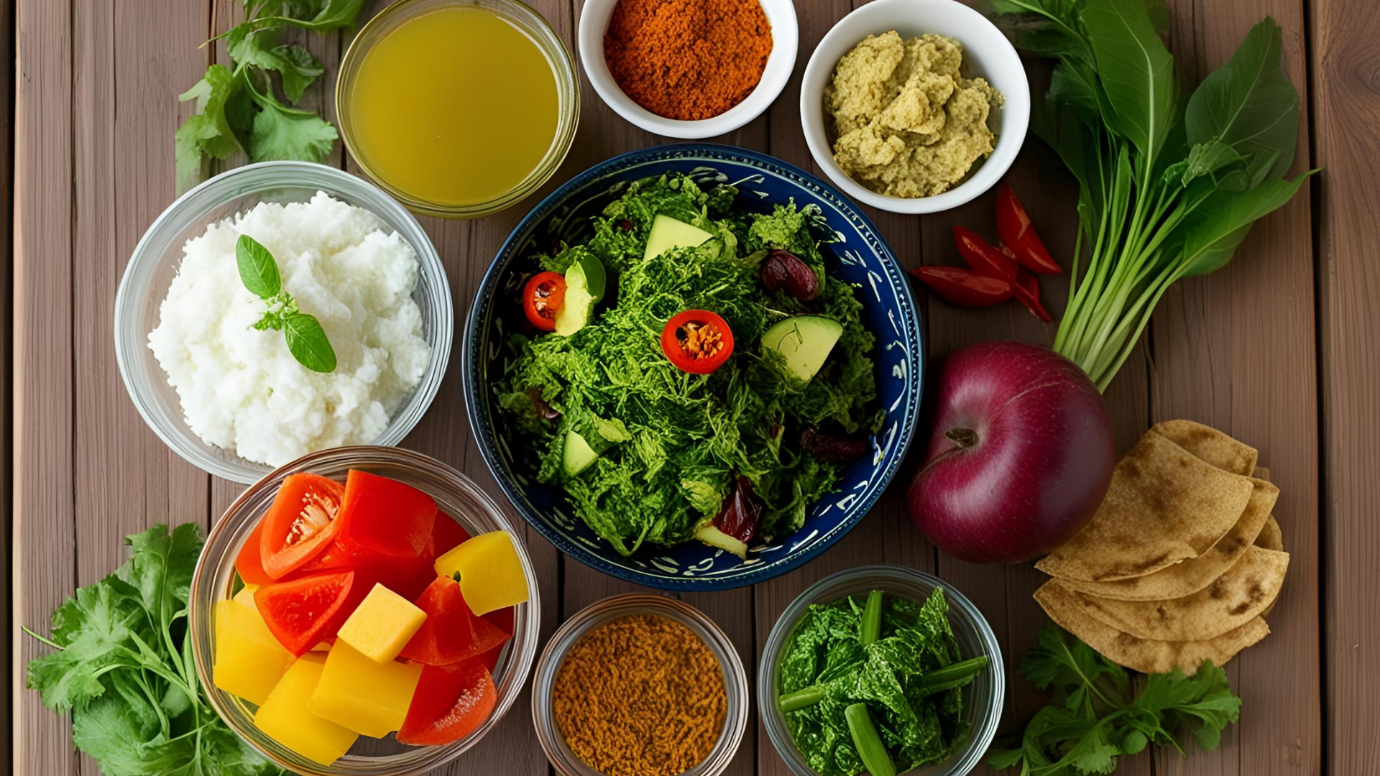
Ayurveda is an ancient Indian medicine system that promotes balance via diet, lifestyle and herbs.
Today’s wellness sects favoring overall health might meld Ayurvedic beliefs by customizing meals according to individual body types (doshas), adding herbal supplements plus mindfulness for good measure.
4. Scandinavian Hygge and Mental Wellness
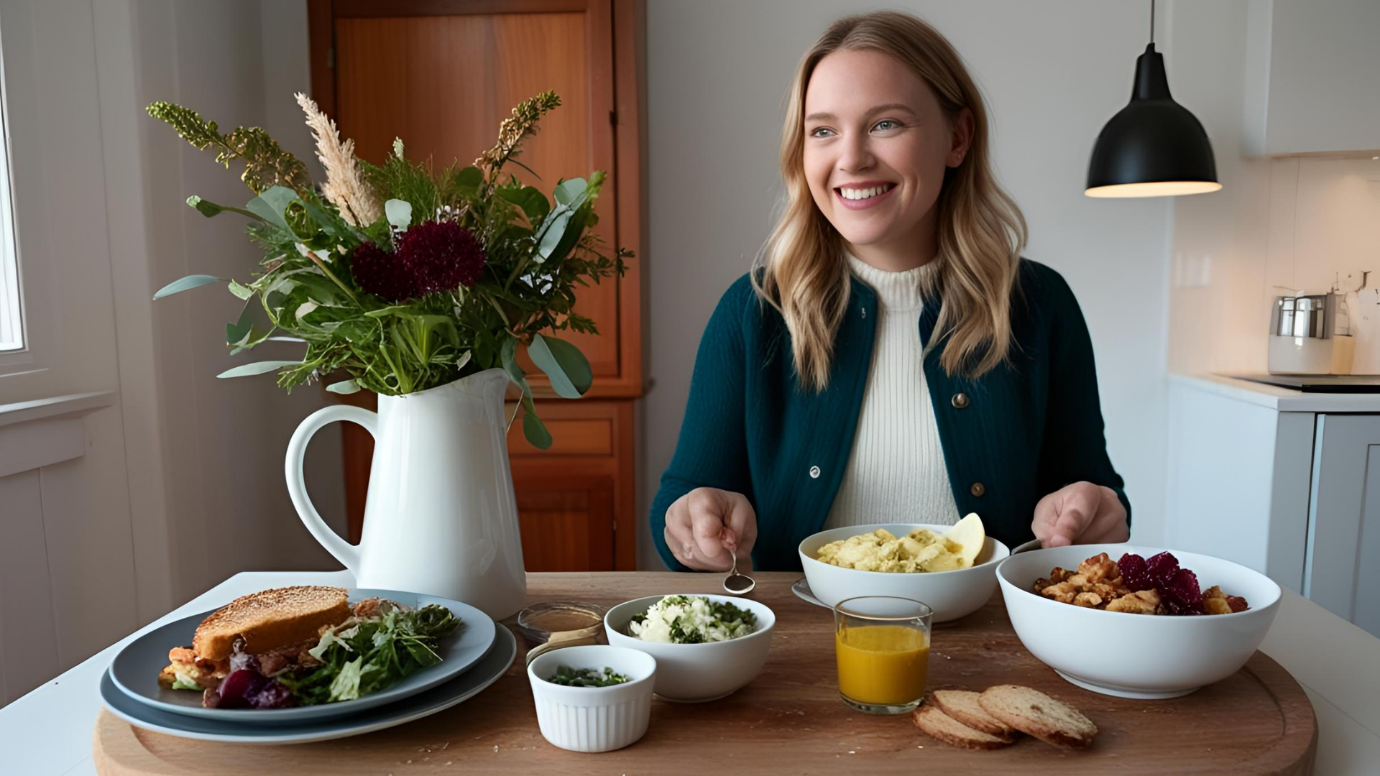
The Danish concept of Hygge– focusing on warmth and comfort– can become part of our mental wellness routines today.
Practices such as eating hearty meals with loved ones, consuming seasonal produce and feeling connected to community all promote good mental health.
They also fit well alongside modern techniques like stress management courses or efforts to boost social wellbeing.
Practical Tips for Blending Traditional and Modern Diets
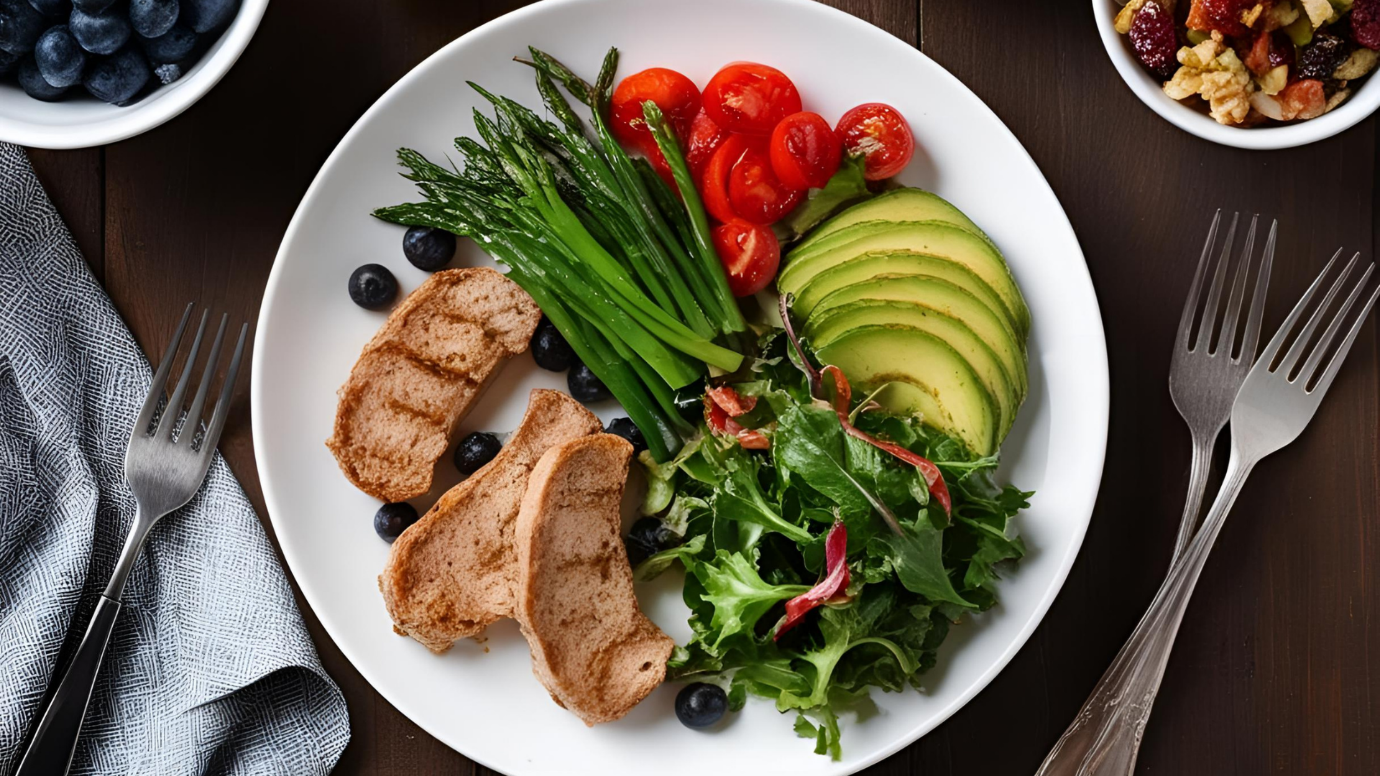
- Start with Whole Foods: Traditional diets and modern wellness both underscore the importance of consuming whole foods in their natural state. Include fruits, vegetables, lean proteins and whole grains in each meal for optimum health.
- Mindful Meal Preparation: Enhance your dining experience by preparing meals with care– take time to appreciate the ingredients used as well as the effort which has gone into making them.
- Seasonal Eating: Enjoy produce when it is in season as this ensures maximum freshness along with nutrient density; an approach to eating that has long been followed in traditional diets but also aligns with contemporary sustainable living practices.
- Balance and Moderation: Just like in old-timey diets, it’s smart to eat a mix of foods so you get all the nutrients you need (without any crazy rules).
- Incorporate Superfoods Wisely: Give your meals a nutritional upgrade by adding things like quinoa, chia seeds or turmeric. These are known as ‘superfoods’— they’ll help make your meals even healthier without changing their taste too much.
- Adapt Portion Sizes: Stay trim and healthy by serving up old-school favorites in sizes that match current portion recommendations.
- Stay Flexible: Adjust traditional recipes to fit modern dietary needs– e.g. cut salt, use plant-based ingredients, or add more fiber.
- Educate Yourself: Understand how classic dishes boost wellbeing. This wisdom will help you make choices that respect both nutritional guidelines and long-standing culinary customs.
Overcoming Challenges
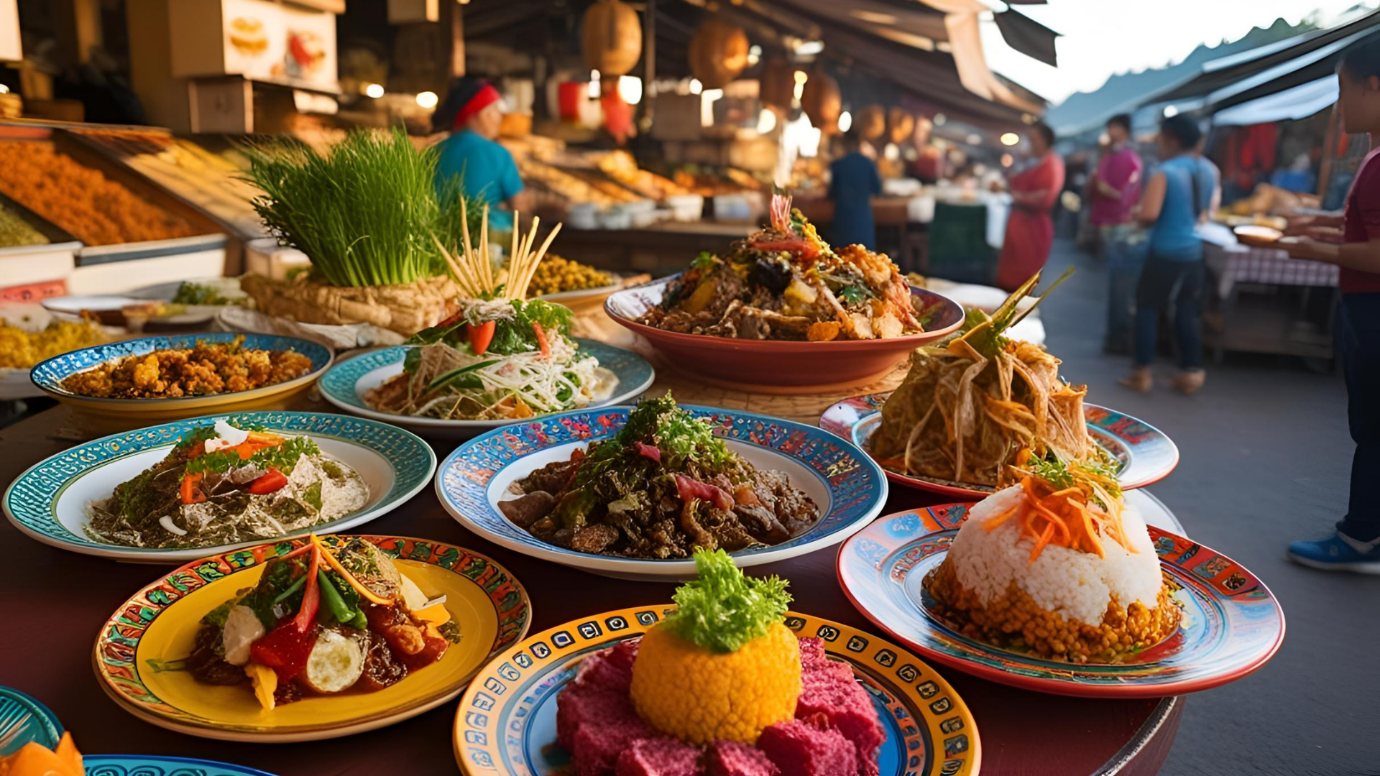
Blending traditional diets with modern practices comes with its challenges: How do we stay true to cultural roots while embracing new dietary needs too?
To get this right we must be respectful and sensitive– making changes carefully so we don’t lose any important meanings bound up in dishes passed down through generations.
Also, getting hold of the real ingredients can be hard– but these days, thanks to the web and world trade, you can often track them down; if not, there are nearly always authentic substitutes available!
The Future of Food: A Harmonious Integration!
As our world becomes more connected, blending ancient diets with new health trends could be good for body and soul– as well as keeping culinary cultures alive and vibrant.
So, let’s make sure yesterday’s food wisdom helps shape tomorrow’s menu; it might just help keep us, and the planet, in good shape!
Final Thoughts
Blend traditional diets with modern wellness for balance in health— best of both worlds!
Respect cultural heritage while welcoming current trends; it’s a path to better overall health that’s in harmony with the way we live now.